Shaping the future.
For our Norderney
Our candidates for the 2026 local elections
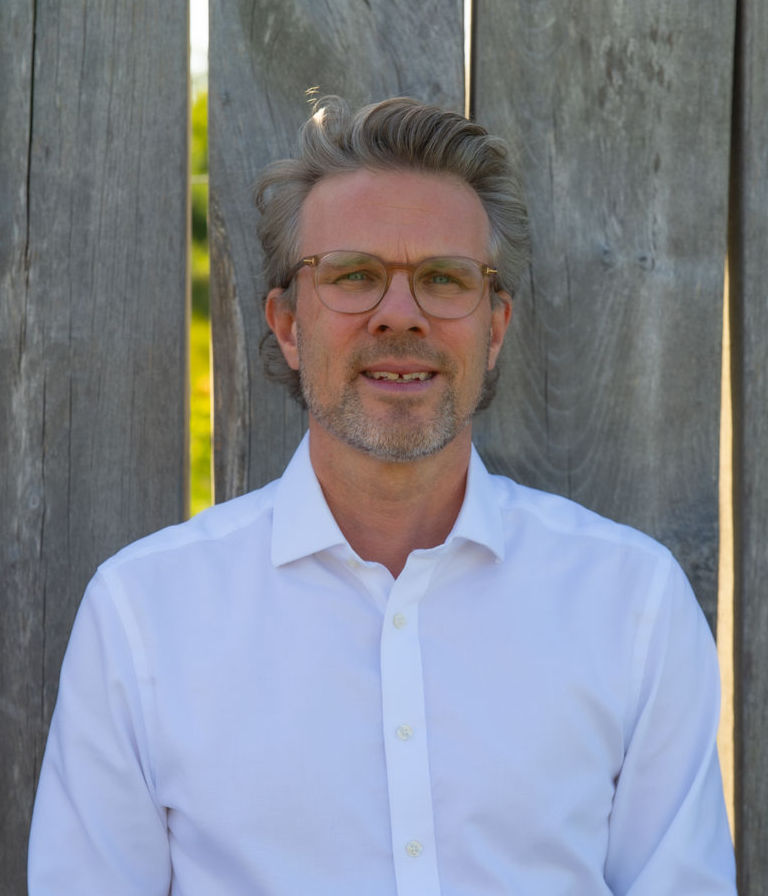
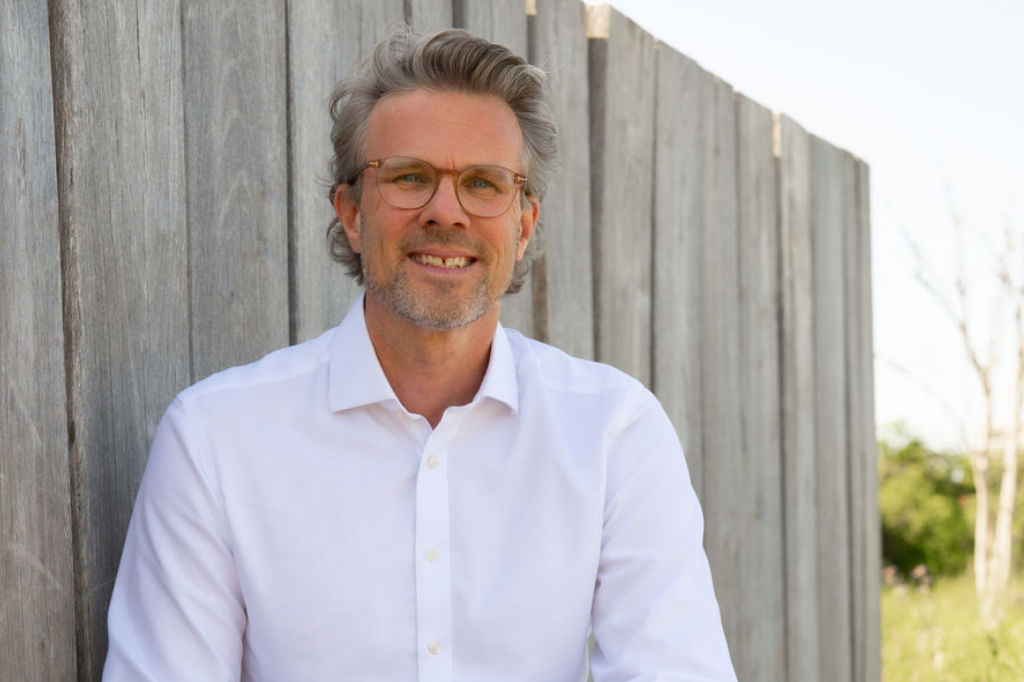
Florian Ristow
Brief Introduction
We will be introducing our candidates for the 2026 local elections one by one. Today’s interview: Florian Ristow.
Florian, please introduce yourself briefly:
After graduating from secondary school in Norden in 1999, I completed my civilian service before moving to Kiel to study business administration. After graduating, I was drawn to Ireland for two years, gained international experience there, and then moved to Hamburg, where I worked in the online sales department of a major mail-order retailer. I have been living back on Norderney since 2011.
I am 46 years old and work as a self-employed estate agent, and together with my family I run a holiday rental business that is now in its third generation. From personal experience, I know what it means to take entrepreneurial responsibility here, to get through difficult times and to take risks.
Norderney is not just my workplace. It is the place where I live with my wife and our three sons, where I volunteer as a coach for TuS Norderney’s U15 team, and where I experience every day what makes this island what it is – and what it needs.
In my free time, I enjoy playing tennis and I generally like doing sport.
Interview
Building policy: Assess needs first, then decide!
Florian, you are standing for the FDP on Norderney. Why is this party a particularly good political fit for you?
Because the FDP thinks freedom and responsibility together – rather than playing them off against each other. I believe that people who take responsibility, build a house, run a business or create jobs deserve respect from the state instead of bureaucratic interference. The FDP stands for protecting property, economic common sense and solutions based on data rather than wishful thinking. Especially on an island like Norderney, which thrives on entrepreneurial initiative, this is not an abstract ideology but a lived reality.
Is there an issue that is particularly close to your heart?
Yes – and it is not abstract. When the town administration presented the development plans for the town centre area in June, I was in the room and listened as a blanket quota of 51% for creating permanent housing was presented for some areas – without a data basis, without a profitability calculation, and without regard for what this means for families who have been renting out here for generations.
These families built their houses in times of crisis under the greatest hardship, modernised and maintained them over decades, and passed them on to the next generation. They are not corporations, not institutional investors. They are people who have tied their entire economic existence to this one house, this one rental business.
What, in your view, should change specifically?
The blanket quota must be taken off the table – not only for legal reasons, but for very tangible economic reasons. If you require an owner to rent out more than half of their house permanently instead of to holiday guests, you fundamentally change the economic basis of that property – and that has consequences that go far beyond the individual owner. The logic of the quota contradicts itself: with one hand it weakens the economic foundation, while with the other it wants to create housing.
First: refinancing options decline. Banks calculate lending values and credit lines based on achievable income. A holiday apartment with high seasonal occupancy generates significantly higher income than a permanently rented apartment at the usual local comparable rent. If use is restricted, the calculable income falls – and with it what a bank is willing to finance at all.
Second: property valuations also fall as a result. A house that is only available by half for the more economically attractive use is worth less – with consequences for lending, inheritance and retirement provision.
Third: investment becomes more difficult and is held back. If you can no longer reliably calculate what your property will still be allowed to deliver economically tomorrow, you do not invest. You postpone refurbishments, forgo modernisation, and let the building fabric age.
Anyone who puts the brakes on investment does not stand still. They fall behind while other locations continue to develop. And then there is the argument that is completely missing from the debate so far: what are the people supposed to live on who are to live in this newly created permanent housing in future?
Why is this issue so important for Norderney?
Because it is about the island’s economic foundation. Norderney lives off tourism – not a little, but fundamentally. The visitor’s tax, the business tax paid by restaurateurs and retailers, and jobs in hospitality and services depend directly on holiday guests coming and finding accommodation. And this is exactly where I am putting forward a concrete proposal: before we argue about percentages, we should carry out a genuine profitability analysis using a realistic example property.